
If you’re wondering what makes a good logo, it comes down to a few key design principles that help your brand stay relevant for years to come. Sounds simple from someone who designs logos, but people choose businesses they recognise and trust.
Recognition, that’s it.
What makes a logo effective
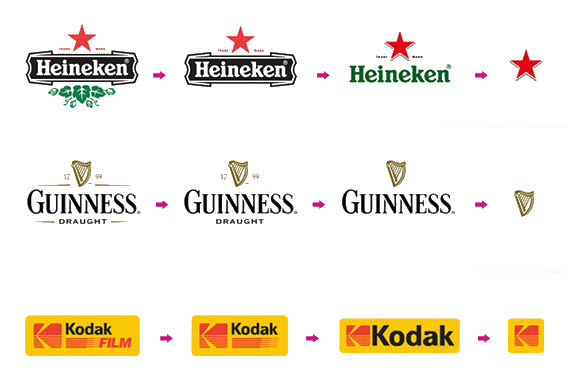
A logo doesn’t need to explain everything about your business. Its job is to create recognition first, allowing your branding to support the broader brand identity and build meaning over time. If your logo still works in black and white, it’s probably simple enough to remain recognisable across every platform.
Before finalising a logo, take the time to understand your business, your audience and your competitors logo designed. This is necessary to not end up with the same or somewhat similar logo to your competitors.
After designing logos for businesses across the Hawkesbury, Sydney and throughout Australia, we’ve found that the strongest logos consistently share these six things in common…
Keep it Simple (Stupid)
The old acronym, KISS or Keep it Simple Stupid. Every extra shape, colour or decorative element competes for attention.
If your logo still works in black and white, it’s probably simple enough to remain recognisable across every platform and does not have too many elements crammed in. Simplicity in logo design means maintaining a proper balance between positive and negative spaces. Also, avoid overlapping shapes, and if your company has a tagline, then the logo should be designed in a manner that it looks simple and effective both with or without the tagline. The more adaptable the logo, the more useful it becomes across different marketing materials.

Colour Psychology
What good is a logo that can’t reflect the true nature of your brand? Colours play an important role, as they are associated with many connotations. Different colours are associated with different emotions and expectations. If your business is associated with the environment or the mission of your company is related to creating eco-friendly products and services, green would be the ideal colour. Fast food logos usually have some, if not a lot of red, while a lot of tech companies are blue, blue is a standard colour for trust, and stability.
The right colour palette can help communicate your brand personality before someone even reads your business name.

The Role of Imagery
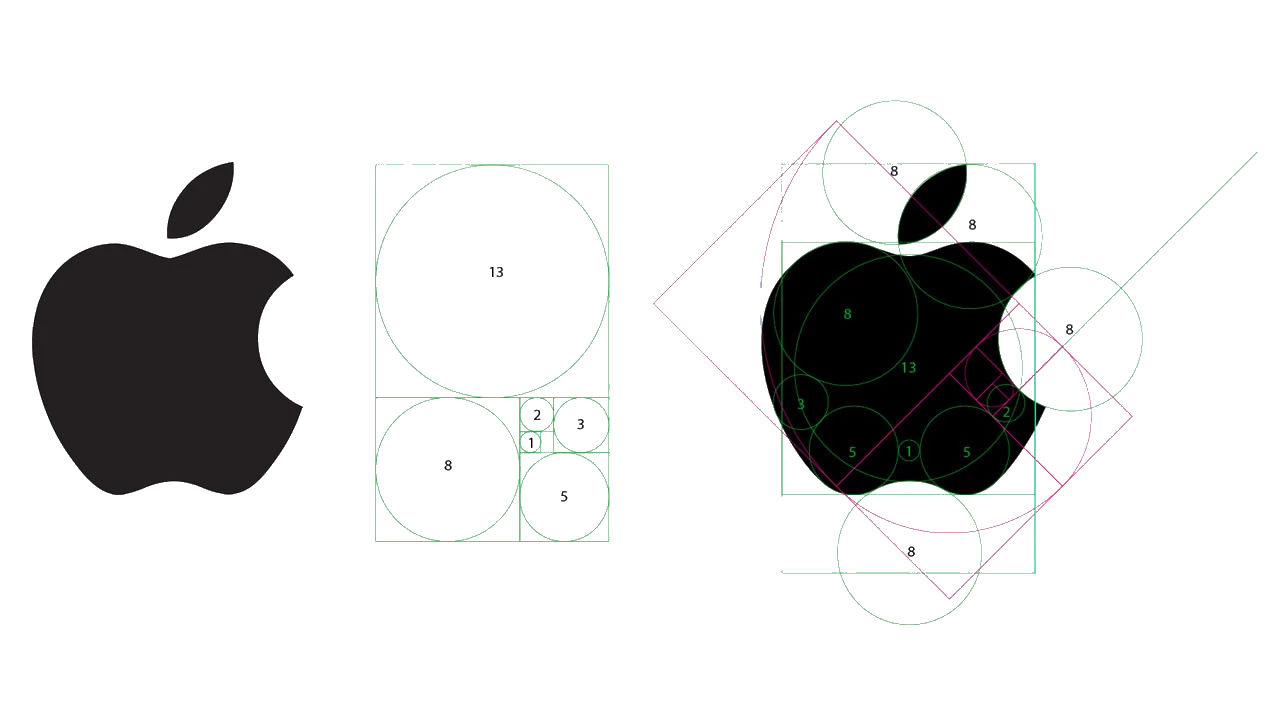
Imagery helps tell your story, even when colour isn’t available. When you are getting your logo printed in black and white, it is not the colour that will convey the story, but the illustration. Use appropriate imagery in contrast with your business niche. It is important to keep the illustration original and get it designed first-hand to avoid copyright issues, even a simple swoosh, an apple, three lines, or the letter M might have a registered trademark or copyright against it.

A good layout
Works across different platforms and media
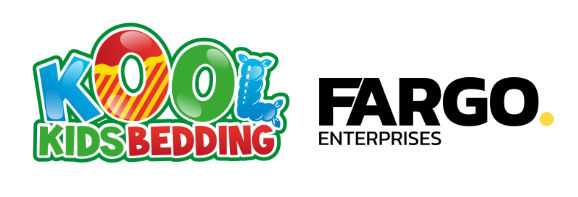
Appropriate font
Choosing the right font will create a different impression of what your business is. Subtle but strong.
We create logos that are designed to work across websites, social media, signage, print materials and other marketing channels, helping businesses build a stronger and more recognisable brand.